What Is Willingness to Pay?
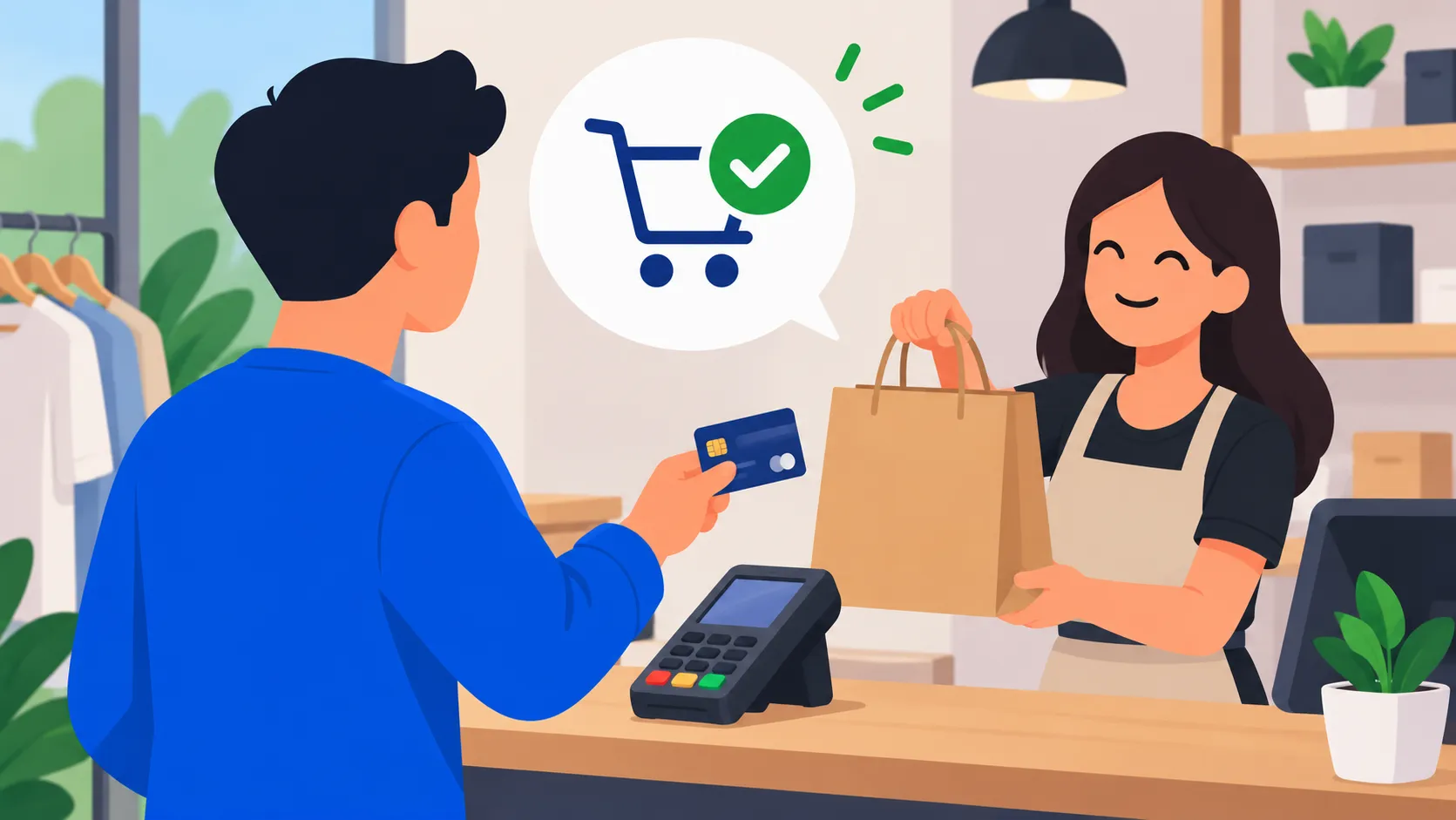
Willingness to pay is the amount of value a customer assigns to solving a problem or achieving an outcome, expressed through a real or credible purchasing decision. It is not simply what someone says a product should cost. True willingness to pay becomes visible when customers compare prices, purchase alternatives, allocate budgets, accept paid pilots, place deposits, subscribe, or otherwise sacrifice money to obtain the desired outcome. The closer the evidence is to an actual transaction, the more reliable it becomes.
Why Willingness to Pay Matters
A product can be useful without supporting a sustainable business. Customers may enjoy it but expect it to remain free, or they may value the outcome less than the cost required to deliver and market the solution. Testing willingness to pay helps determine whether customer value and business economics can meet. It also prevents founders from confusing popularity with commercial demand.
Interest Is Not the Same as Buying Intent
Interest is easy to generate because it requires little commitment. Someone can click a post, join a waitlist, answer a survey, or tell a founder that an idea sounds great without changing anything about their life. Buying intent is different. It appears when a customer begins comparing solutions, asking about pricing, requesting a demo, evaluating alternatives, seeking approval, or taking another step toward a purchase. These behaviors indicate that the problem has moved from interesting to actionable.
Buying Intent Is Not the Same as Payment
Even strong buying intent can disappear at checkout. A customer may request a demonstration and still decide the problem is not valuable enough to justify the price. This is why payment remains such an important validation milestone. Each step toward a transaction reduces uncertainty, but only real purchasing behavior demonstrates that the customer was willing to exchange money for the promised value.
Start With the Problem
Before testing price, understand what customers are paying to solve. A minor inconvenience usually creates less willingness to pay than a problem tied to revenue, labor, risk, deadlines, convenience, or another meaningful outcome. Ask how frequently the problem occurs, what happens when it remains unsolved, and what the customer currently does about it. Pricing research becomes much more useful when the value of the problem is clear.
Understand the Cost of Doing Nothing
Customers compare the price of a solution against the cost of leaving the problem unresolved. For a business, that cost may include employee hours, lost revenue, errors, customer churn, missed opportunities, or operational risk. For consumers, it may involve time, convenience, frustration, entertainment, confidence, or another personally important outcome. The greater the perceived cost of doing nothing, the easier it can become to justify paying for improvement.
Look for Existing Spending
One of the strongest early indicators of willingness to pay is discovering that customers already spend money around the problem. They may subscribe to software, hire employees, pay agencies, use consultants, purchase templates, commission custom development, or buy several tools that collectively produce the desired outcome. Existing spending proves that at least some customers already assign economic value to solving the problem.
Look Beyond Direct Competitor Revenue
A new category may have little direct competition while customers spend heavily through indirect alternatives. A business that wants to automate a manual workflow may compete against labor rather than software. A specialized platform may compete against consultants or agencies. Researching the full set of current solutions can reveal budgets that would be invisible if you looked only at products resembling your idea.
Study Competitor Pricing
Competitor pricing provides a useful reference point for how the market currently captures value. Examine entry plans, premium tiers, free options, trials, annual pricing, usage-based charges, transaction fees, and enterprise packages. The objective is not to copy competitors. It is to understand what customers are accustomed to paying and how different companies connect price to value.
Do Not Assume Competitor Prices Are Optimal
A competitor charging a particular amount does not prove that the market prefers that price. The company may be underpriced, overpriced, targeting a different segment, or using pricing strategically. Competitor prices should therefore be treated as evidence rather than rules. Customer behavior around those prices matters more than the numbers themselves.
Read Pricing Complaints in Context
Customers frequently call products expensive while continuing to pay for them. This can actually demonstrate that the product remains valuable despite pricing frustration. Investigate what happens after the complaint. Do customers cancel, downgrade, seek alternatives, or simply renew? Pricing pain becomes more commercially significant when it changes behavior.
Search for Customers Asking About Price
Questions about pricing can reveal buying intent because the customer is evaluating whether the solution fits a budget. Public discussions about plan comparisons, subscription costs, discounts, cheaper alternatives, and whether a product is worth the money can reveal how buyers think about value. These conversations are particularly useful when customers explain what they currently use and what would make them switch.
Search for Paid Alternative Requests
A customer explicitly asking for a paid tool can be a strong signal because they are not assuming the solution must be free. Even when the word paid is absent, requests for professional, reliable, business-grade, or premium solutions can indicate willingness to invest. Examine whether these requests recur across the target audience and whether the desired outcome matches your idea.
Look for Customers Paying for Workarounds
Customers sometimes spend money without recognizing the expense as a product budget. They may pay an employee to perform repetitive work, hire freelancers, subscribe to several disconnected tools, or outsource a task to an agency. A new solution that reduces those costs can potentially capture part of an existing budget. Understanding the workaround economics helps frame the value proposition.
Calculate the Value of Time Carefully
Time savings can support willingness to pay, especially in business markets, but not every saved minute has equal economic value. Saving an executive five hours may matter more financially than saving a low-cost process a few minutes each month. More importantly, customers must actually care about reclaiming that time. Quantifying time savings is useful when it reflects real priorities rather than theoretical efficiency.
Connect the Product to Revenue
Products that help customers generate or protect revenue can sometimes demonstrate value more clearly. A tool that increases conversion, prevents lost leads, improves retention, or accelerates sales can potentially justify its cost through measurable outcomes. The claim still needs evidence, but the connection between product value and customer economics can make willingness to pay easier to understand.
Connect the Product to Cost Reduction
Cost reduction can also create a strong economic case. Automation that removes repetitive work, software that replaces multiple subscriptions, or a process improvement that reduces errors may produce measurable savings. The relevant question is whether those savings are large enough and credible enough that customers will allocate budget to capture them.
Connect the Product to Risk Reduction
Some customers pay to avoid negative outcomes rather than create positive ones. Security, compliance, insurance, monitoring, backup, and reliability products often derive value from reducing risk. Willingness to pay depends on how customers perceive the probability and consequence of the problem. A severe but abstract risk may still be difficult to sell until a trigger makes it feel urgent.
Understand Emotional Value
Consumer willingness to pay often cannot be explained purely through financial return. People spend money on convenience, identity, entertainment, confidence, health, relationships, status, and experiences. The principle remains the same: the customer must value the outcome enough to make a trade-off. Research existing purchases and behavior rather than trying to force every consumer product into a financial ROI calculation.
Identify Who Actually Pays
The person experiencing the problem may not control the budget. In business markets, an employee may be the user while a manager, department head, procurement team, or company owner makes the purchase. Research both the user and buyer. A product can solve a genuine user problem and still struggle if the economic buyer does not see enough value.
Understand the Buyer’s Incentives
Different stakeholders evaluate value differently. An employee may want convenience, while a manager cares about productivity and a finance team cares about cost. A security team may prioritize risk, while procurement focuses on contractual terms. Understanding these incentives helps determine which outcome needs to justify the price.
Identify Existing Budgets
A product can be easier to sell when it fits into a budget customers already understand. Businesses may already allocate money to marketing, software, recruiting, compliance, operations, or professional services. Creating an entirely new budget category can require more education. Research where the proposed solution might fit and what alternatives currently receive that spending.
Look for Budget Trigger Events
Budgets become available at particular moments. A company may increase spending after hiring, raising funding, experiencing rapid growth, changing systems, entering a new market, or encountering a costly failure. Understanding these triggers helps reveal when willingness to pay is highest and why a customer might purchase now rather than later.
Do Not Ask “Would You Pay for This?”
This question produces unreliable answers because saying yes costs nothing. Potential customers may want to be supportive, may imagine a different product than the one you build, or may underestimate how they will react to the real price. Instead, investigate existing behavior and eventually create a situation where the customer must make a real decision.
Ask What Customers Pay Today
Questions about current spending are grounded in behavior. Ask which products or services customers use, what those solutions cost, how purchasing decisions were made, and what would cause them to cancel or upgrade. These answers reveal actual budgets and trade-offs rather than hypothetical preferences.
Ask About the Last Purchase
Recent purchasing decisions can explain what triggers payment. Ask why the customer bought the current solution, which alternatives were considered, what concerns existed, who approved the purchase, and what finally made the decision worthwhile. Understanding a real transaction can be more informative than asking customers to speculate about a future one.
Ask What Would Make Them Switch
Switching questions reveal the gap a new product must overcome. Customers may require better reliability, lower complexity, a missing integration, stronger support, or a substantially better price. If they cannot imagine a realistic reason to leave their current solution, a new entrant may face weak switching intent even when the market spends heavily.
Understand Switching Costs
Payment for a new product may require more than its listed price. Customers can face migration costs, training, setup, data transfer, contractual commitments, and workflow disruption. These hidden costs increase the amount of value a new product must create. A ten-dollar cheaper subscription may be irrelevant if switching requires days of work.
Study Free Alternatives
Free alternatives set an important reference point. Customers may solve the problem with spreadsheets, open-source software, free plans, templates, manual processes, or general-purpose AI tools. A paid product needs to create enough additional value to justify moving away from those options. Research why some customers eventually upgrade or purchase alternatives despite the availability of free solutions.
Do Not Assume Free Users Will Convert
A large free audience can look like powerful validation, but many users may have chosen the product precisely because it costs nothing. Conversion depends on whether paid functionality solves a more important problem than the free version. Test the transition rather than assuming popularity will naturally become revenue.
Understand Price Sensitivity by Segment
Different customer segments can have dramatically different willingness to pay for the same outcome. An enterprise may value compliance, support, and administration enough to pay far more than a freelancer. A professional using a tool daily may value it more than an occasional user. Segmenting pricing research prevents averages from hiding the customers most capable of supporting the business.
Do Not Target Everyone With One Price Assumption
A broad audience can create confusing pricing signals. Consumers, freelancers, small businesses, and enterprises evaluate purchases differently. Before concluding that customers will or will not pay, determine which segment produced the evidence. A product may fail at one price for one audience while supporting a much higher price in another market.
Research Frequency of Use
Recurring usage can strengthen willingness to pay because customers receive value repeatedly. A product used every working day may become an essential tool, while one used once per year may be harder to sell through a recurring subscription. Frequency does not determine value by itself, but it influences how customers perceive ongoing payment.
Research Frequency of the Problem
A product can be used infrequently while solving a high-value problem. Tax software, legal services, emergency repairs, and other products can command payment despite occasional usage because the underlying event matters. Evaluate frequency alongside severity and economic consequence rather than assuming daily use is required.
Research Urgency
Urgent problems create stronger purchasing behavior because delaying has a cost. Customers facing deadlines, broken workflows, lost revenue, compliance requirements, or dissatisfied clients may be more willing to pay immediately. Research the moments that transform a problem from something customers tolerate into something they need to solve now.
Find Evidence of Purchase Intent Online
Public conversations can reveal customers moving toward purchases. Look for people comparing vendors, asking whether premium plans are worth it, requesting recommendations, discussing budgets, searching for alternatives, or explaining why they recently paid for a solution. These signals can help estimate whether the market contains buyers rather than only interested observers.
Find Evidence of Switching Online
Customers describing migrations from one product to another provide valuable commercial evidence. They can reveal what triggered the switch, what price was acceptable, and which features mattered enough to justify the disruption. Repeated switching behavior also suggests that incumbents do not completely control the market.
Read Customer Reviews for Value Language
Reviews often reveal why customers believe a product is worth paying for. Look for language around saved time, increased revenue, convenience, reliability, support, reduced stress, or workflows that became possible. These statements help identify the outcomes customers value and can inform both product strategy and pricing hypotheses.
Read Negative Reviews for Price-Value Mismatch
A pricing complaint can mean several things. The absolute price may be too high, the product may not deliver enough value, packaging may force customers to buy unnecessary features, or the customer may belong to the wrong segment. Understanding the reason behind the complaint is more useful than simply recording that price was mentioned negatively.
Use Foundly to Research Willingness to Pay Signals
Investigating willingness to pay manually can require comparing competitor pricing, customer discussions, reviews, alternative requests, existing spending, complaints, and buying-intent signals across many sources. Foundly can help founders research these signals together with demand, customer pain, competition, risks, and potential opportunities. The useful outcome is not an AI prediction that customers will pay. It is a clearer body of evidence showing how the market currently behaves around the problem.
Use Foundly to Challenge Pricing Assumptions
A founder may begin with a preferred price before understanding what customers value. Research through Foundly or a manual process should be allowed to challenge that assumption. If customers consistently use free alternatives and show little switching intent, a premium price requires stronger justification. If businesses already spend hundreds of dollars or substantial labor costs solving the same problem, the opportunity may support more value than originally expected.
Do Not Treat AI as Proof of Willingness to Pay
No model can guarantee that customers will purchase a product that does not yet exist. AI can help discover market evidence and organize patterns, but actual willingness to pay ultimately requires customer behavior. The strongest research process uses tools such as Foundly to understand the market and then moves toward real offers, pilots, deposits, purchases, and retention.
Search for Evidence Against Payment
A strong validation process deliberately investigates why customers might refuse to pay. Search for satisfaction with free alternatives, resistance to subscriptions, low switching intent, complaints about category pricing, failed paid products, and customers who prefer manual solutions. Negative evidence helps prevent a founder from interpreting every sign of interest as commercial demand.
Research Failed Monetization Attempts
Products can attract users and still fail as businesses. Study companies that built popular solutions but struggled to monetize. The reasons may include weak willingness to pay, high acquisition costs, poor retention, expensive service delivery, or strong free competition. These failures can expose economic risks that user-growth stories hide.
Look for Categories Where Customers Expect Free
Some markets develop strong expectations that core functionality should cost nothing. A paid business can still succeed through premium features, services, transactions, advertising, or other models, but the monetization strategy must reflect customer behavior. Trying to force a subscription onto a category accustomed to free solutions can create unnecessary friction.
Test the Offer Before Building Everything
Once research suggests that customers may pay, the next step is not necessarily full product development. Create the smallest credible offer that communicates the outcome, audience, and price. Depending on the business, this might be a landing page, demo, prototype, manual service, pilot, preorder, or early-access product. The purpose is to expose the pricing assumption to real customer behavior.
Present a Real Price
If a validation test never includes price, it cannot answer whether customers accept the price. A landing page may generate signups because visitors assume the product will be free. Introducing realistic pricing changes the decision and therefore improves the quality of evidence. The test should be transparent and should not mislead customers about what is currently available.
Use a Paid Pilot
Paid pilots can be particularly useful in B2B markets because they test willingness to allocate budget while the product is still early. A customer agreeing to pay for a limited implementation demonstrates more commitment than one agreeing to a free trial. The pilot can also reveal onboarding, support, workflow, and value-delivery requirements before the business scales.
Use Preorders When Appropriate
For products that can be sold before full delivery, preorders can provide direct evidence of willingness to pay. Customers should understand what they are purchasing and when they can expect delivery. A preorder is valuable because it forces the market to make a real decision rather than simply expressing interest.
Use Deposits When Appropriate
A deposit can test commitment when the final product or service requires additional work before delivery. Even a partial financial commitment changes the nature of the evidence because the customer must accept a real cost. Deposits should be handled transparently and in a way appropriate to the business, but the underlying principle is powerful: meaningful commitment is more informative than hypothetical enthusiasm.
Sell the Outcome Manually
Some software ideas can initially be delivered as a service. If the proposed product generates research, organizes information, automates a workflow, or creates another clear outcome, the founder may be able to provide that result manually for early customers. Charging for the outcome before automating everything can reveal whether customers value the result enough to support future development.
Do Not Give Everything Away During Validation
Free access can be useful for testing usability or gathering feedback, but it provides limited evidence about willingness to pay. If every early customer receives the product free, the founder may delay the most important commercial question. At some point, a meaningful portion of the target market needs to encounter a real price.
Understand the Difference Between a Free Trial and Free Product
A free trial tests whether customers will begin using a product without payment. The important event comes when the trial ends and a purchase decision is required. Measure what happens at that transition. High trial usage with low paid conversion may indicate that the product is useful but not valuable enough at the current price.
A Waitlist Does Not Prove Willingness to Pay
Waitlists measure interest under the conditions presented. If no price is shown, subscribers may have completely different expectations about cost. A strong waitlist can justify further testing, especially when the audience is highly relevant, but it should lead toward more meaningful commitments. The founder needs to discover what happens when enthusiasm meets a real offer.
Survey Data Is Not Payment Data
Surveys can help understand customer preferences and price perceptions, but stated willingness to pay is vulnerable to hypothetical bias. Respondents do not lose money when selecting a price in a questionnaire. Use surveys to form hypotheses and actual transactions to test them.
Use Customer Interviews to Understand Value
Interviews are useful for discovering what customers value, how they currently solve the problem, and what they already spend. Avoid turning interviews into negotiations over hypothetical prices too early. First understand the customer’s workflow and economics. A credible pricing hypothesis becomes easier to form when you know what the problem costs and what alternatives receive budget.
Listen for Value Comparisons
Customers often explain value through comparisons. They may say a product is cheaper than hiring another employee, saves them from paying an agency, replaces several subscriptions, or prevents costly mistakes. These comparisons reveal the mental reference points buyers use when evaluating price. Pricing that aligns with those reference points can be easier to communicate.
Understand Price Anchors
Customers evaluate prices relative to alternatives and expectations. A fifty-dollar product can feel expensive next to a free app and inexpensive next to a five-hundred-dollar service. Research what customers naturally compare the solution against. The strongest anchor is usually the alternative they would actually use if your product did not exist.
Do Not Automatically Price Below Competitors
A lower price can reduce perceived risk, but it can also communicate lower value, weaken margins, and attract customers primarily motivated by discounts. If your product creates a stronger outcome for a specific segment, a higher price may be justified. Validation should test the value proposition rather than assume that the cheapest option wins.
Do Not Automatically Price Above Competitors
Premium pricing needs a credible reason. Better design, AI functionality, or more features may not matter enough to customers. A higher price becomes easier to support when the product produces a measurable improvement, serves a valuable niche, removes significant labor, reduces risk, or offers another advantage customers can clearly recognize.
Test Different Pricing Hypotheses
Early pricing is a hypothesis rather than a permanent decision. Different packages, customer segments, and value propositions can support different prices. Testing should be controlled enough to learn something meaningful and transparent enough to treat customers fairly. The objective is to understand the relationship between price, perceived value, and conversion.
Measure More Than Conversion
A low price can increase conversion while creating a weak business. A higher price can reduce signups but attract customers with stronger needs and better retention. Evaluate revenue, customer quality, support burden, usage, retention, and acquisition economics rather than optimizing solely for the percentage of visitors who purchase.
Consider Customer Acquisition Cost
Willingness to pay must eventually support the cost of acquiring customers. A product can generate purchases and still fail if marketing and sales cost more than the customer is worth. Early estimates will be uncertain, but distribution research can reveal whether the expected price is compatible with likely acquisition channels.
Consider Cost to Serve
Revenue is not profit. AI usage, infrastructure, support, fulfillment, payment processing, human labor, shipping, returns, and other costs can reduce the amount available to fund acquisition and growth. A customer being willing to pay ten dollars does not create a viable business if delivering the service costs twelve.
Consider Retention
A customer paying once proves initial willingness to pay. Continuing to pay demonstrates recurring value. Subscription businesses therefore need to evaluate whether the problem and product create reasons to remain. High initial conversion combined with rapid cancellation can indicate that the purchase promise was stronger than the delivered value.
Consider Expansion Value
Some products become more valuable as customers grow, add users, increase usage, or adopt additional capabilities. This can support higher lifetime value and more expensive acquisition channels. Research whether expansion reflects natural customer value rather than pricing designed merely to extract more revenue.
Understand B2B Willingness to Pay
Business customers often evaluate purchases through economic outcomes, budgets, risk, and organizational requirements. A product that saves labor, generates revenue, or solves a critical workflow may support significant pricing even with a relatively small number of customers. The sales process can be more complex because several stakeholders may influence the decision.
Understand Consumer Willingness to Pay
Consumer purchases can depend more heavily on convenience, emotion, habit, identity, and discretionary budgets. Competition with free alternatives can be intense, but strong brands and compelling experiences can still create significant willingness to pay. Research actual consumer purchases in the category rather than assuming that a large audience automatically means a large paid market.
Understand Prosumer Willingness to Pay
Creators, freelancers, developers, consultants, and other professional individuals often sit between consumer and enterprise markets. They may pay personally but evaluate products partly through business value. Tools that save time, improve output, or help earn income can command higher prices than ordinary consumer utilities when the value is clear.
Look for Payment Behavior Across Segments
If one customer segment consistently pays while another expects the solution free, that difference can shape the entire business. A founder may discover that the original audience loves the product but a neighboring professional segment has much stronger economics. Pricing research can therefore influence market selection, not just the number displayed on a checkout page.
Separate Ability to Pay From Willingness to Pay
A customer may have money and still consider the problem unimportant. Another customer may desperately want a solution but lack the budget. Attractive markets often combine pain, willingness, and ability to pay. Understanding all three prevents founders from targeting audiences where enthusiasm cannot translate into sustainable revenue.
Look for Urgent Buyers
Customers experiencing an immediate trigger often provide clearer pricing evidence because they need an outcome now. Their behavior can reveal what the problem is worth under real pressure. However, determine whether these urgent situations occur frequently enough to support the business rather than assuming every customer will experience the same urgency.
Look for Repeat Buyers
Repeat purchasing demonstrates that the value was not limited to curiosity. For subscriptions, renewal is a form of repeat purchase. For transactional products, repeated orders indicate ongoing demand. These behaviors become important after launch because they validate not only willingness to pay but willingness to keep paying.
Do Not Confuse Revenue With Product-Market Fit
Early revenue is encouraging, but a few purchases do not prove that a large sustainable market exists. Customers may buy because of personal relationships, discounts, novelty, or unusually manual founder involvement. Investigate whether purchases repeat across independent customers and whether the economics remain viable as the business scales.
What Strong Willingness-to-Pay Evidence Looks Like
Strong evidence appears when target customers already spend money solving the problem, actively compare paid alternatives, accept realistic pricing, participate in paid pilots, place deposits, preorder, purchase, renew, or switch from another paid solution. Several independent behaviors pointing in the same direction create a much stronger case than one enthusiastic customer.
What Weak Willingness-to-Pay Evidence Looks Like
Weak evidence includes compliments, likes, survey promises, free signups, waitlists with no pricing context, large audiences that mainly consume free content, and customers who complain but never spend or switch. These signals can justify further investigation, but they should not be mistaken for proof that a business model works.
How Much Payment Validation Is Enough?
There is no universal number of paying customers required before an idea is worth pursuing. The amount of evidence should reflect the size and risk of the next investment. A founder building a simple software prototype can move with less proof than someone investing heavily in inventory or hiring. What matters is whether payment behavior is strong enough to justify the next commitment.
Know When the Price Is the Problem
Low conversion does not always mean weak demand. The price may be wrong, the packaging may be confusing, the customer segment may be inappropriate, or the value may not be communicated clearly. Diagnose these possibilities before concluding that nobody will pay. However, repeatedly changing the explanation to protect the idea from negative evidence can become confirmation bias.
Know When the Value Is the Problem
Sometimes customers understand the offer perfectly and still do not care enough. If the product creates only marginal improvement over free or familiar alternatives, no clever pricing strategy can manufacture strong willingness to pay. In that situation, the solution may need to create substantially more value or address a more important problem.
Know When the Customer Is the Problem
The product may solve a real need for an audience that cannot support the desired business model. Research adjacent segments that experience the same problem with higher frequency, greater economic consequences, or stronger budgets. A change in customer can sometimes transform the economics without changing the core technology.
Know When to Change the Business Model
If customers resist subscriptions but naturally pay per transaction, project, result, or usage, a different model may fit better. Business-model decisions should follow how customers receive value. The goal is not to force the market into a preferred pricing structure but to create a sustainable exchange that customers understand.
Know When to Stop
If repeated research and real offers show weak payment behavior, strong free alternatives, low urgency, and little existing spending, the market may not support the idea in its current form. Stopping or changing direction can save far more money than continuing to build in the hope that customers eventually behave differently.
Research First, Then Ask for Money
Market research can dramatically improve the quality of a payment test. By understanding customer pain, existing spending, competitor pricing, switching behavior, and buying intent, a founder can create an offer grounded in how the market already behaves. Foundly can accelerate this evidence-gathering stage, but the process should ultimately reach a real customer decision. Research tells you where willingness to pay is likely to exist; transactions reveal whether it actually does.
Can AI Tell You If Customers Will Pay?
AI can identify evidence that makes payment more or less likely, such as competitor pricing, existing spending, buying-intent signals, customer complaints, and requests for alternatives. Foundly can help organize those signals into a focused view of the market. No AI system can replace the final test because willingness to pay is a behavior, not a prediction. The strongest answer eventually comes from putting a credible offer and real price in front of the right customer.
From Market Evidence to a Real Purchase
The path from idea to payment should gradually increase the strength of customer commitment. Research can establish that the problem exists and that customers spend around it. Conversations can explain why. A real offer introduces the proposed solution and price. A pilot, preorder, deposit, or purchase then reveals whether the customer values the outcome enough to act. Each stage should reduce uncertainty rather than simply create more activity.
Final Thoughts on Knowing If People Will Actually Pay for Your Idea
The best way to know whether people will pay is to move from opinions toward increasingly costly customer behavior. Research what customers already spend, understand the cost of the problem, study competitor pricing, identify buying and switching intent, examine free alternatives, and search for evidence that challenges your assumptions. Foundly can help accelerate the research by bringing demand, customer pain, competition, pricing, buying intent, risks, and market opportunities into a more focused investigation. Then take the conclusion into the real world with a credible offer and real price. Compliments can encourage you, signups can interest you, and research can guide you, but a customer choosing to exchange money for value is the signal that turns willingness to pay from a theory into evidence.